Treatment Programs
Medical Detox
Medical detox at MLOM Rehab lasts 3 to 7 days depending on the substance, usage history, and patient health profile. Our physicians employ medication-assisted protocols validated by clinical trials, while nursing staff monitor vital signs and comfort levels around the clock. Withdrawal can be dangerous without medical oversight; our detox unit is equipped with emergency response capabilities and staffed by professionals trained specifically in acute substance withdrawal management.
Each detox plan is individualized. A patient withdrawing from benzodiazepines requires a different tapering schedule than someone detoxing from opioids or alcohol. We assess every case on admission and adjust treatment dynamically based on observed response, published pharmacological guidelines, and the patient's own feedback.
Substances We Treat
- Alcohol
- Opioids
- Prescription Opioids
- Synthetic Cannabinoids (K2/Spice)
- Benzodiazepines
- GHB
- MDMA / Ecstasy
- Methamphetamine
- Cocaine
Residential Treatment
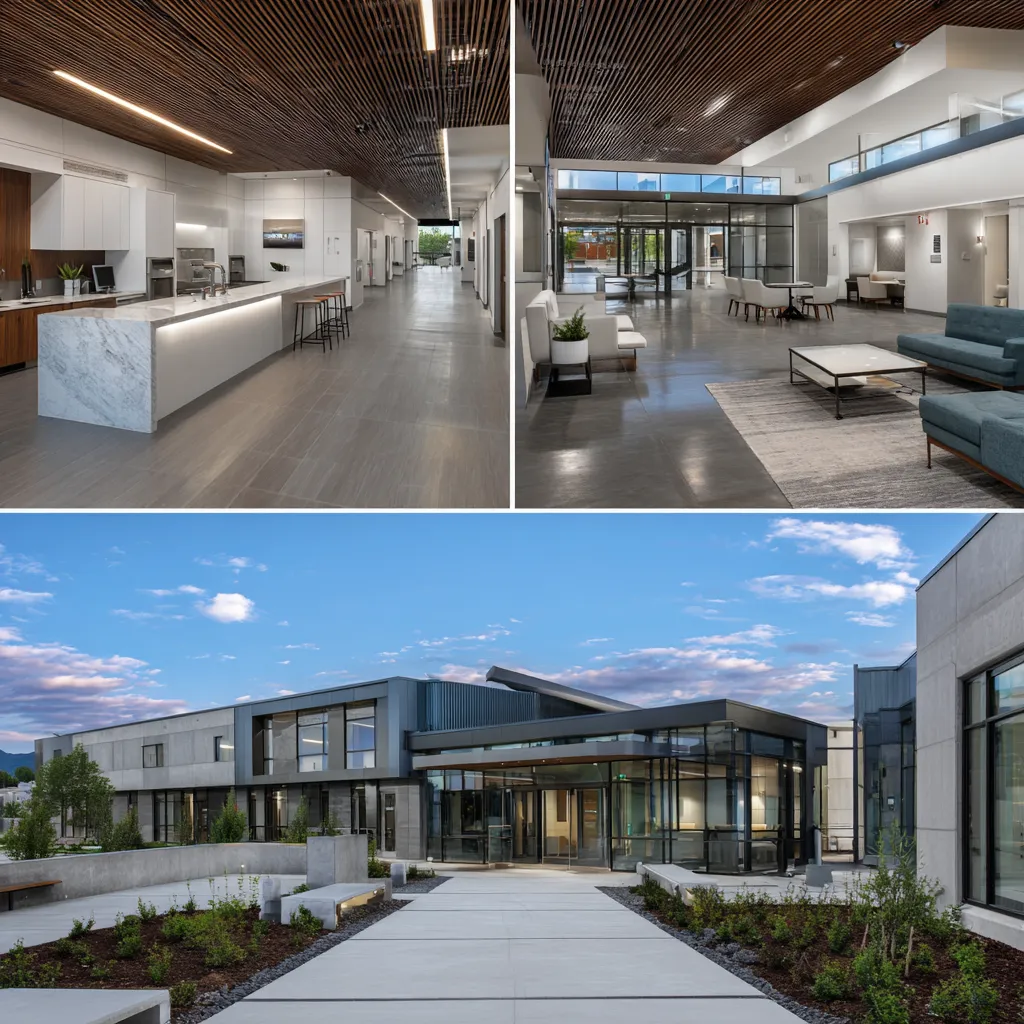
Our residential program runs 30 to 90 days and provides immersive, full-time treatment within a structured community environment. Patients live on-site in our 69-bed facility, participating in daily therapeutic programming that blends evidence-based modalities with peer-support rituals. The community-meeting-driven schedule fosters mutual accountability: residents start each day together, support one another through midday programming, and close the evening as a group.
Residential treatment at MLOM Rehab also includes vocational rehabilitation workshops, creative expression sessions in our arts studio, and individualized counseling. This combination ensures patients develop practical life skills alongside clinical coping strategies, setting them up for sustained independence after discharge.
Daily Schedule
| Time | Activity |
|---|---|
| 7:00 AM | Wake-up, personal wellness routine |
| 7:30 AM | Breakfast |
| 8:15 AM | Morning community meeting — goal setting, peer check-ins |
| 9:00 AM | Group therapy (CBT or psychodrama rotation) |
| 10:30 AM | Individual counseling or somatic experiencing session |
| 12:00 PM | Lunch |
| 1:00 PM | Peer mentorship pairing — structured one-on-one support |
| 2:00 PM | Vocational rehabilitation workshop or creative arts studio |
| 3:30 PM | Recreational therapy (yoga, volleyball, outdoor activities) |
| 5:00 PM | Dinner |
| 6:00 PM | Experiential therapy or equine-assisted session |
| 7:30 PM | Evening house meeting — reflections, gratitude sharing |
| 8:30 PM | Free time, journaling, relaxation |
| 10:00 PM | Lights out |
Outpatient Program
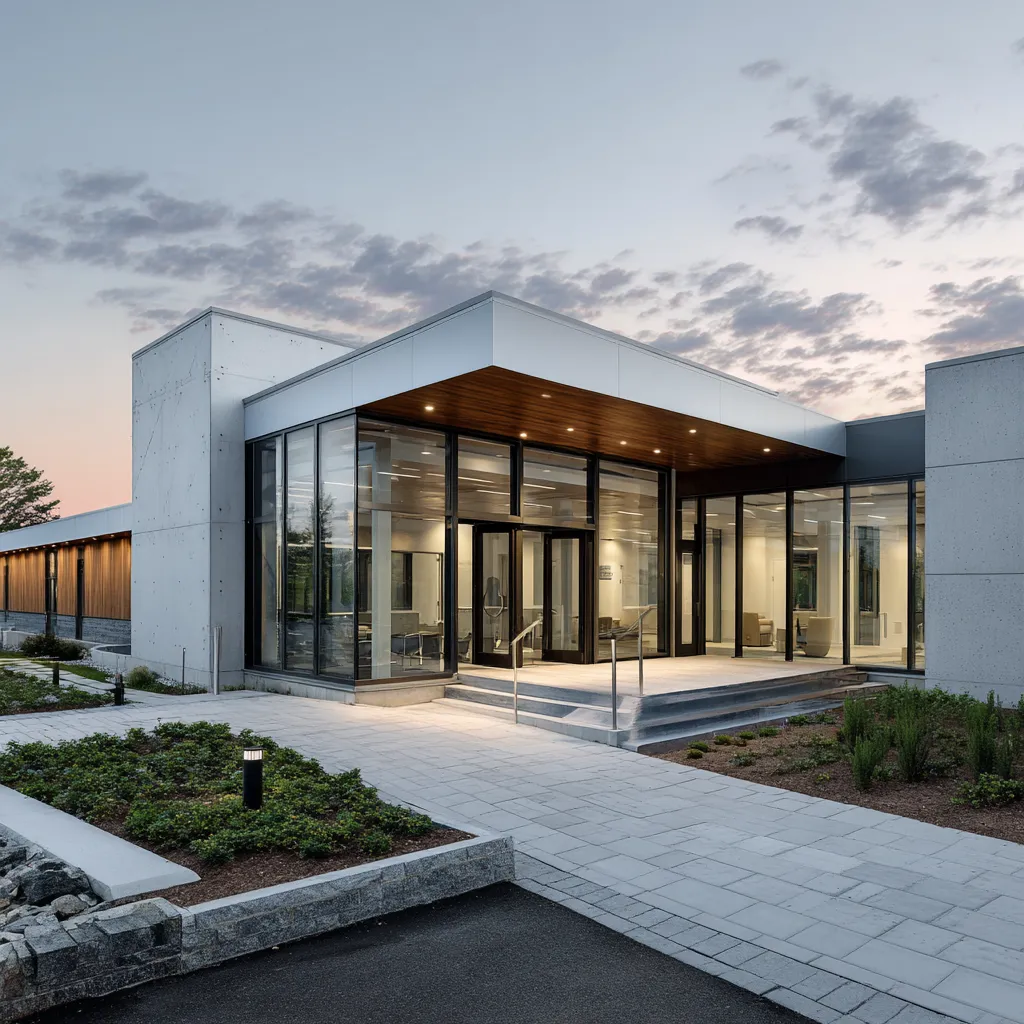
MLOM Rehab's outpatient programs are designed for patients who need ongoing clinical support while maintaining daily responsibilities. Our Intensive Outpatient Program (IOP) meets three to five times per week for 8 to 12 weeks, providing group therapy, individual counseling, and experiential therapy sessions. Standard outpatient care offers a lighter schedule for patients stepping down from IOP or residential treatment.
Both tracks use the same evidence-based modalities available in our residential program, including Cognitive Behavioral Therapy, individual counseling, and peer mentorship. Outpatient patients also have access to our Creative Arts Studio and vocational rehabilitation resources, ensuring continuity of care across every level of treatment.
Dual Diagnosis
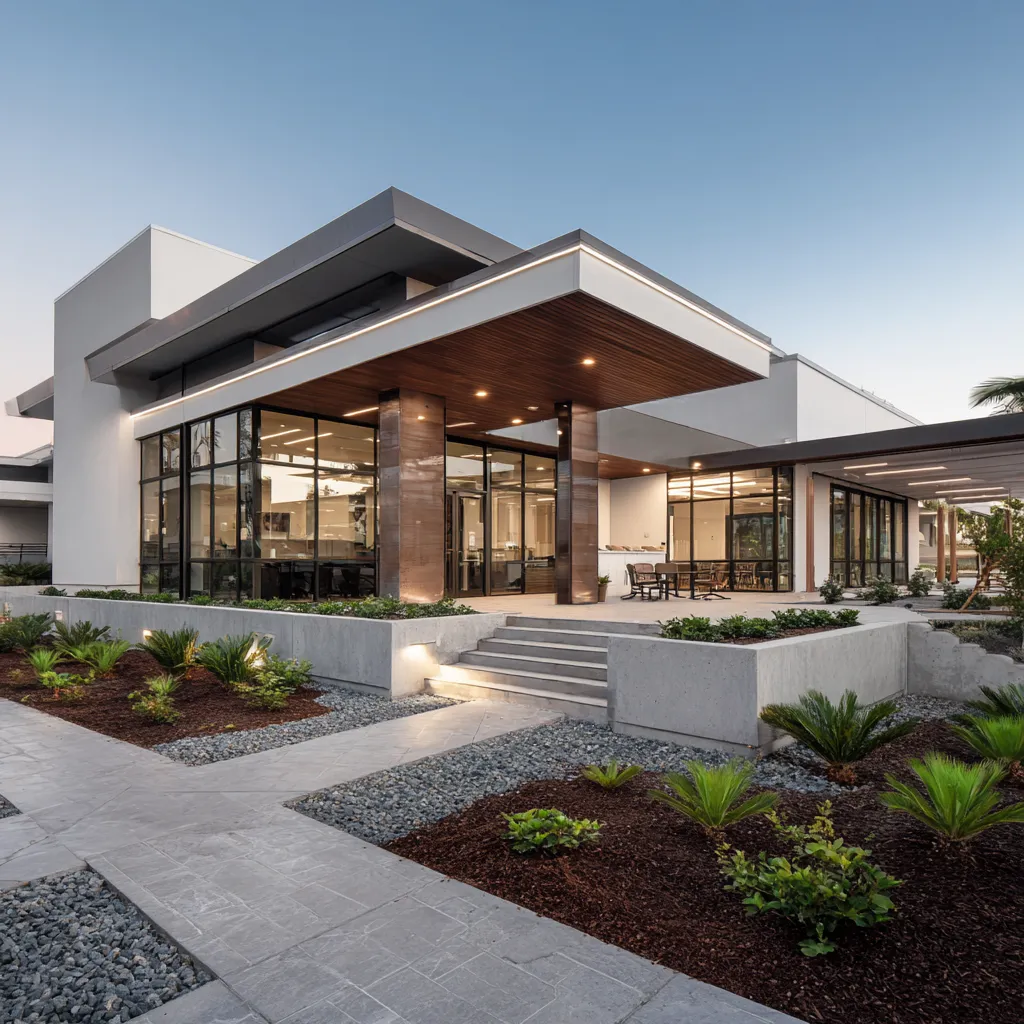
According to the Substance Abuse and Mental Health Services Administration, approximately 9.2 million adults in the United States live with both a substance use disorder and a mental health condition. At MLOM Rehab, our dual diagnosis program addresses both simultaneously rather than sequentially. Patients receive psychiatric evaluation, medication management when appropriate, and targeted therapies such as CBT and somatic experiencing to treat conditions like depression, anxiety, PTSD, and bipolar disorder alongside addiction.
Our clinical team collaborates across disciplines, psychiatrists, therapists, counselors, and peer mentors share case notes and coordinate treatment goals so nothing falls through the cracks. This integrated model produces stronger outcomes because it treats the whole person rather than isolating symptoms.
Treatment Modalities
- Cognitive Behavioral Therapy (CBT)
- Individual Counseling
- Group Therapy
- Somatic Experiencing
- Psychodrama
- Equine-Assisted Therapy
- Experiential Therapy
Facility & Amenities
- Family Visiting Area
- Massage Therapy Room
- Yoga Pavilion
- Creative Arts Studio
- Outdoor Yoga Deck
- Volleyball Court
- Sauna
- Game Room